Victory Garden · Canadian Industrial Mobilization Skill
Existing tooling.
Urgent demand.
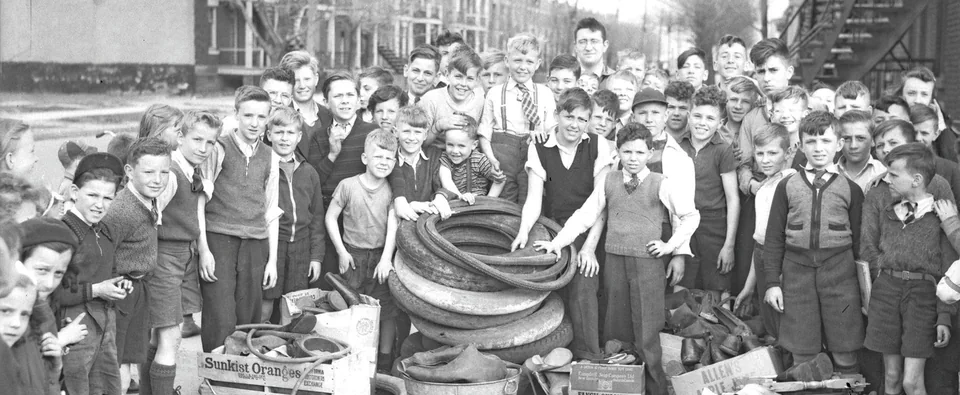
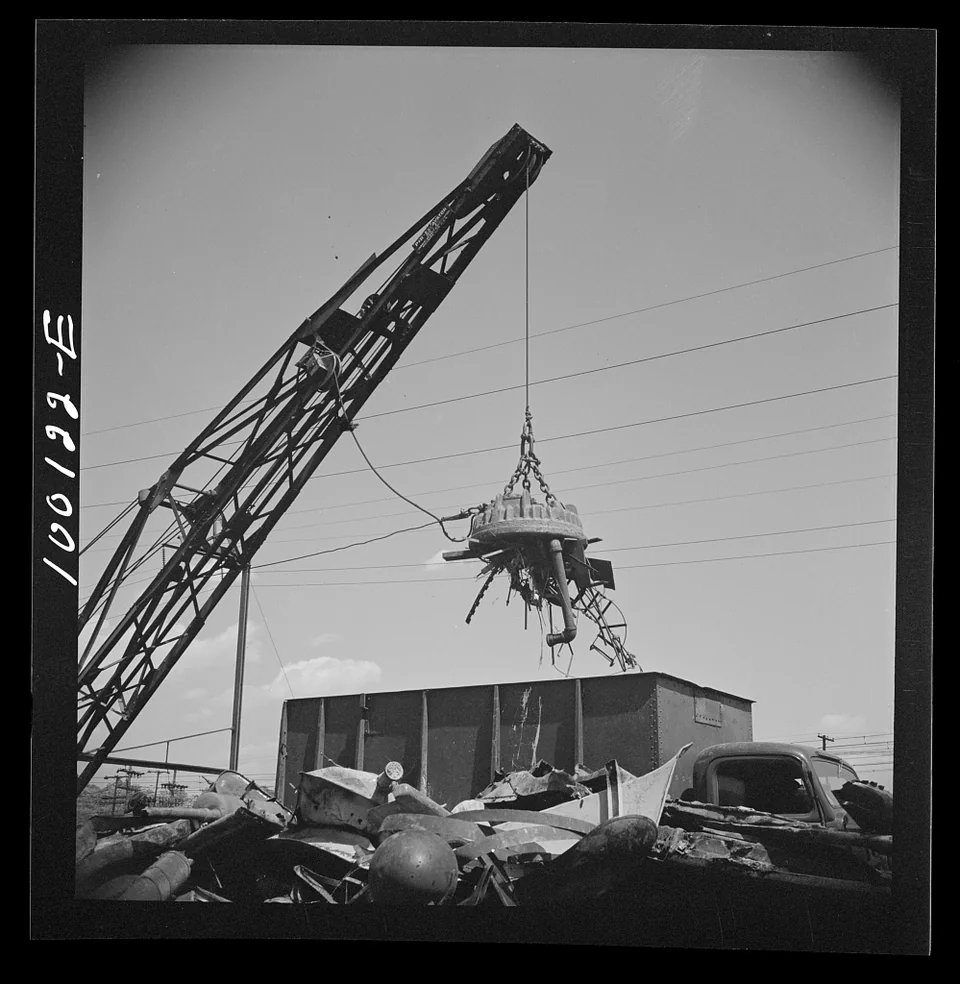
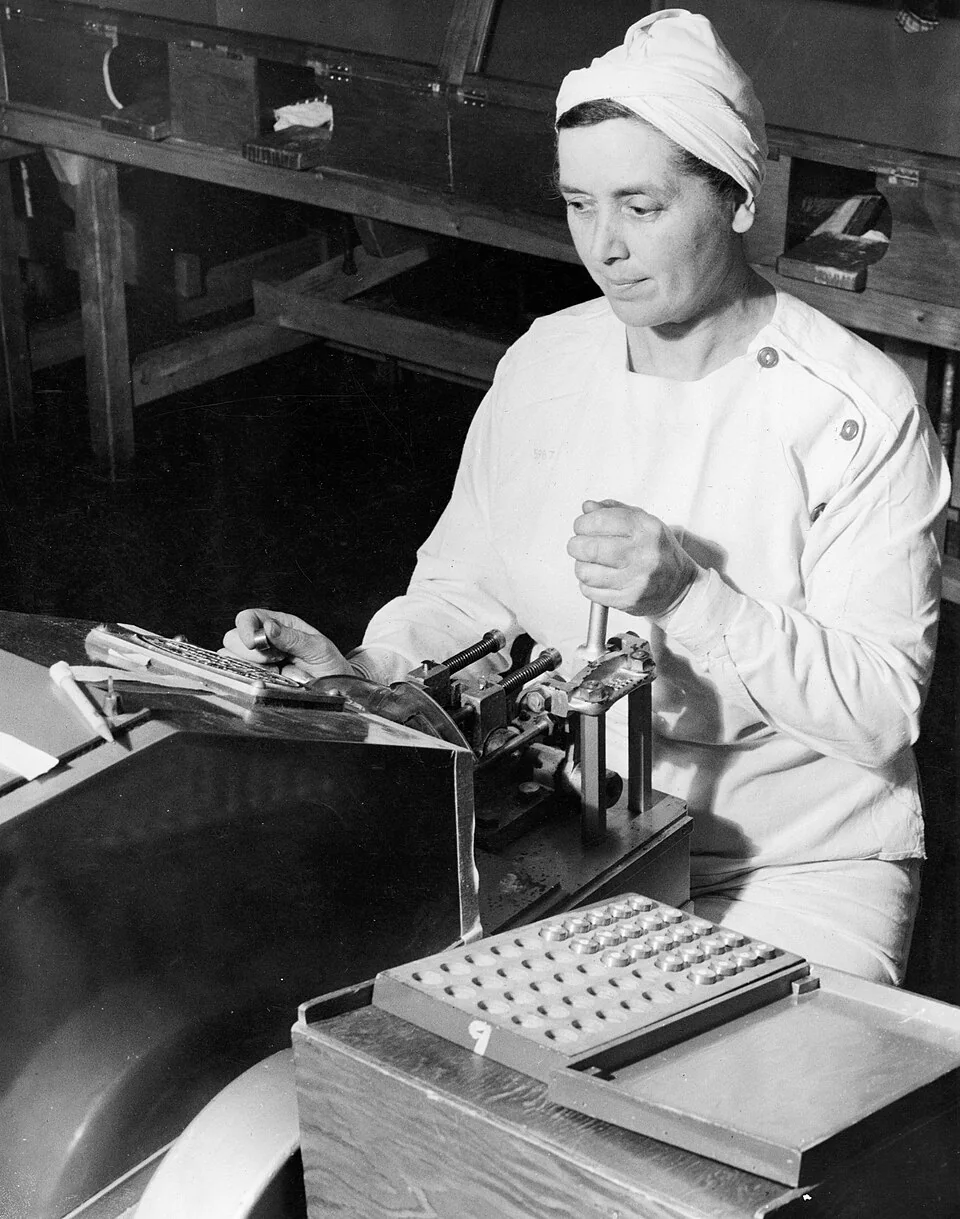
In 1941, ordinary Canadians did not wait for a mega-factory to be built from scratch. They turned vacant lots into Victory Gardens, stripped scrap iron and rubber for the foundries, and retooled peacetime shops into the fourth-largest Allied industrial arsenal on earth.
Paste any Canadian small business website below. Our TypeSafe Jev judgment pipeline reads what your shop already builds, finds live federal and Alberta contracts you can bid today, and maps what your existing machines, crews, and floor space can pivot into next.
01Why Victory Garden · The 18-Month Sprint
Europe is settling into a long industrial war. Canada’s shop floors are the reserve.
What lies ahead in Europe is not a short crisis. Modern high-intensity conflict has turned back into an industrial war of attrition — measured in artillery barrels, air-defence spares, drone airframes, power-grid transformers, ruggedized logistics, and cold-weather sustainment. Allied stockpiles were sized for thirty-day peacekeeping, not multi-year continental deterrence.
That puts Canada inside an urgent 18-month sprint. Defence procurement, Arctic and northern infrastructure, port and bridge hardening, energy resilience, and Buy Canadian domestic-preference policies are moving from press releases onto CanadaBuys and provincial portals right now. You cannot build ten new crown mega-plants in eighteen months — you mobilize the 15-to-80-person machine shops, CWB welding bays, sheet-metal fabricators, modular builders, composite shops, electrical crews, and haulers that already have concrete floors, cranes, and skilled people.
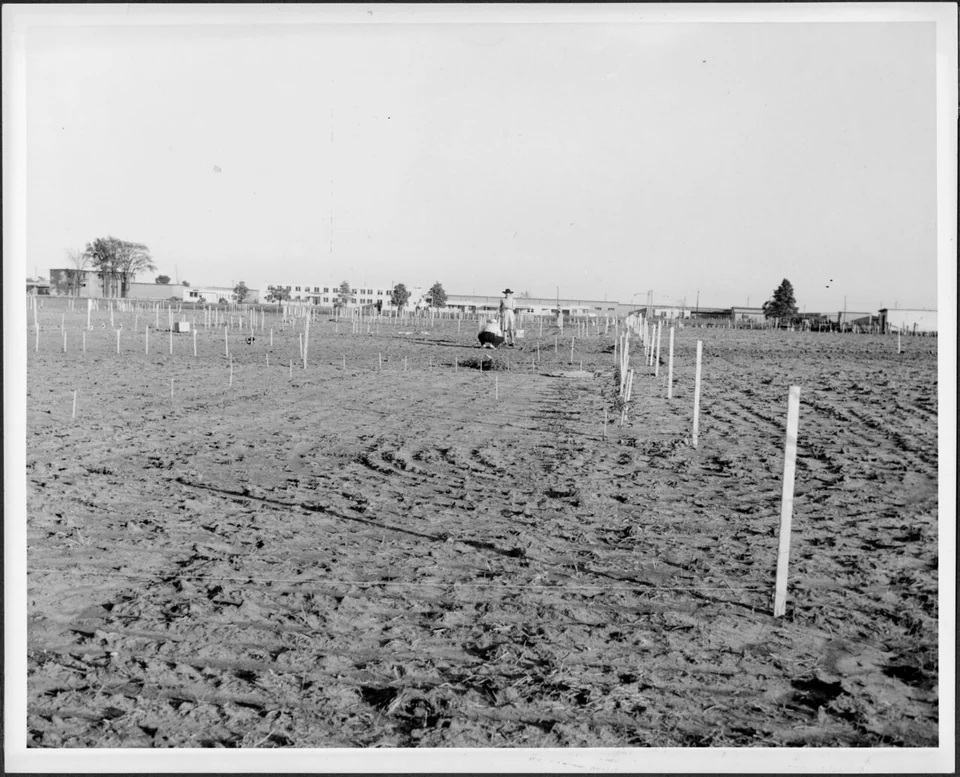
Why we call it Victory Garden. Victory Gardens, neighbourhood rubber brigades, and scrap-metal salvage drives worked because they converted distributed, everyday capacity into sovereign resilience without waiting for permission from a committee. An oilfield CNC shop in Nisku already owns the 5-axis mills that can machine defence and marine brackets. A commercial tarp shop already owns the walking-foot machines that can sew Arctic field covers. A custom trailer shop already knows how to weld mobile generator and command skids.
The bottleneck is translation, not capability. Most owners never see adjacent public contracts because procurement portals speak UNSPSC codes and federal jargon instead of shop-floor tooling. Victory Garden bridges that gap in thirty seconds — honestly separating what you can bid today, what you can pivot into with light retooling or Tier-2 prime subcontracting, and which Canadian certifications or grants bridge the rest.
02From the Archive · 1941–1945
Distributed capacity won the last mobilization.
03Live Mobilization Audit · Free, No Account
Paste a shop website. See what Canada is buying.
https://elbowsupknivesout.warreandvavasour.com/mcp (tool: victory_garden_brief).